Architecture
For me, architecture serves to tell the stories behind the facades: about the people who lived or live there, about the political and economic situation in which the buildings were constructed, and about the growth of the city. This means that I don’t focus so much on the technical and purely architectural details, but rather on the social and cultural history of the buildings . I take you to unusual places and we talk about topics that, for most of the Spanish people, go unnoticed because they are part of their daily lives. How can it be, for example, that 65% of the population lives in apartments, the highest percentage in the entire European Union?
Spanish architecture in the 20th century underwent many changes. On the one hand, it followed international architectural movements, on the other hand it was influenced by the political situation of the time. It experienced a modernist period, marked by prominent figures such as Gaudí and his followers in Catalonia and Valencia, which lasted until the Civil War. After the war, Spain entered a period characterized by architecture heavily influenced by the new regime. However, during the second phase of the dictatorship, the country became more open to avant-garde international architecture.
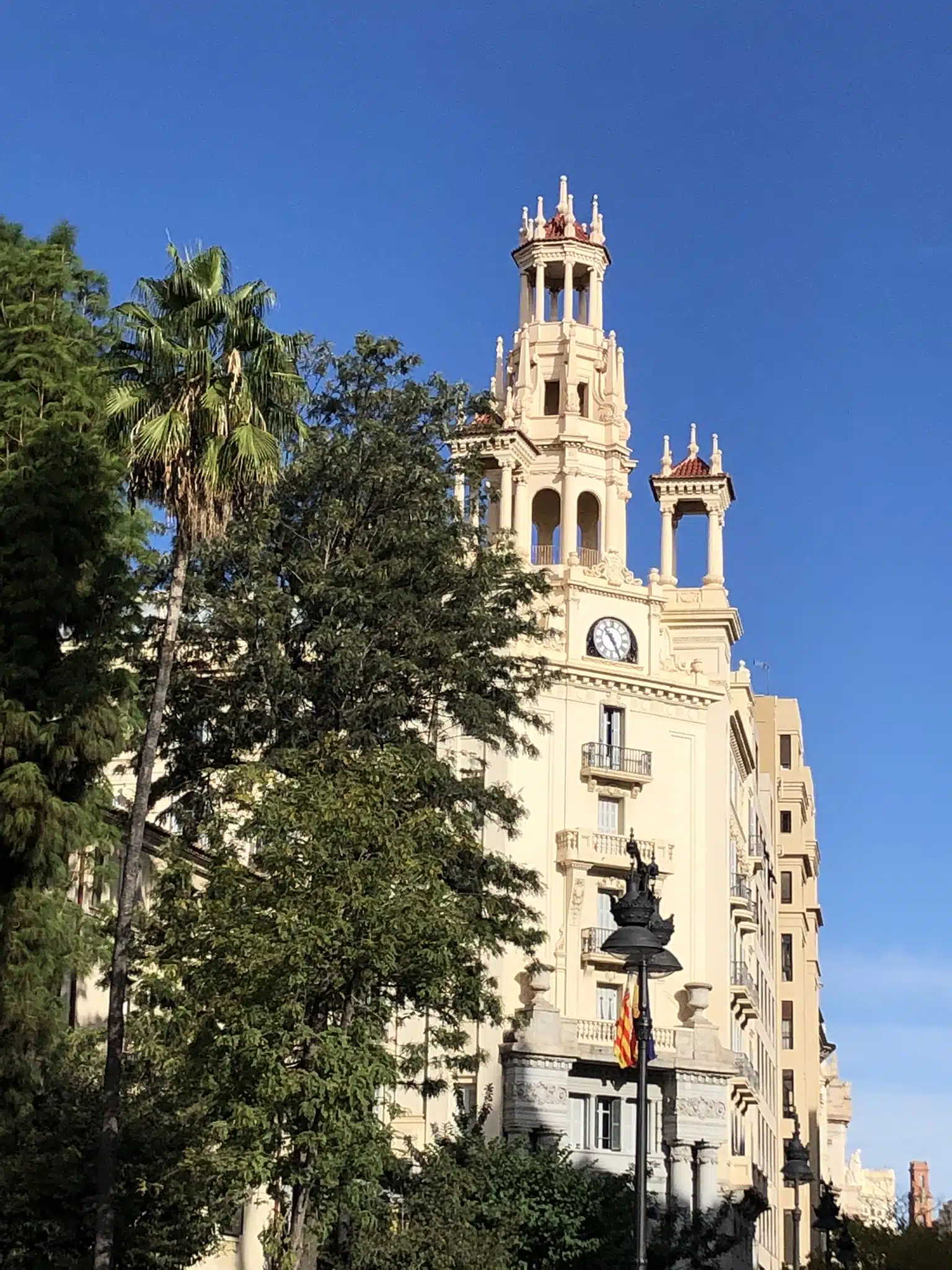
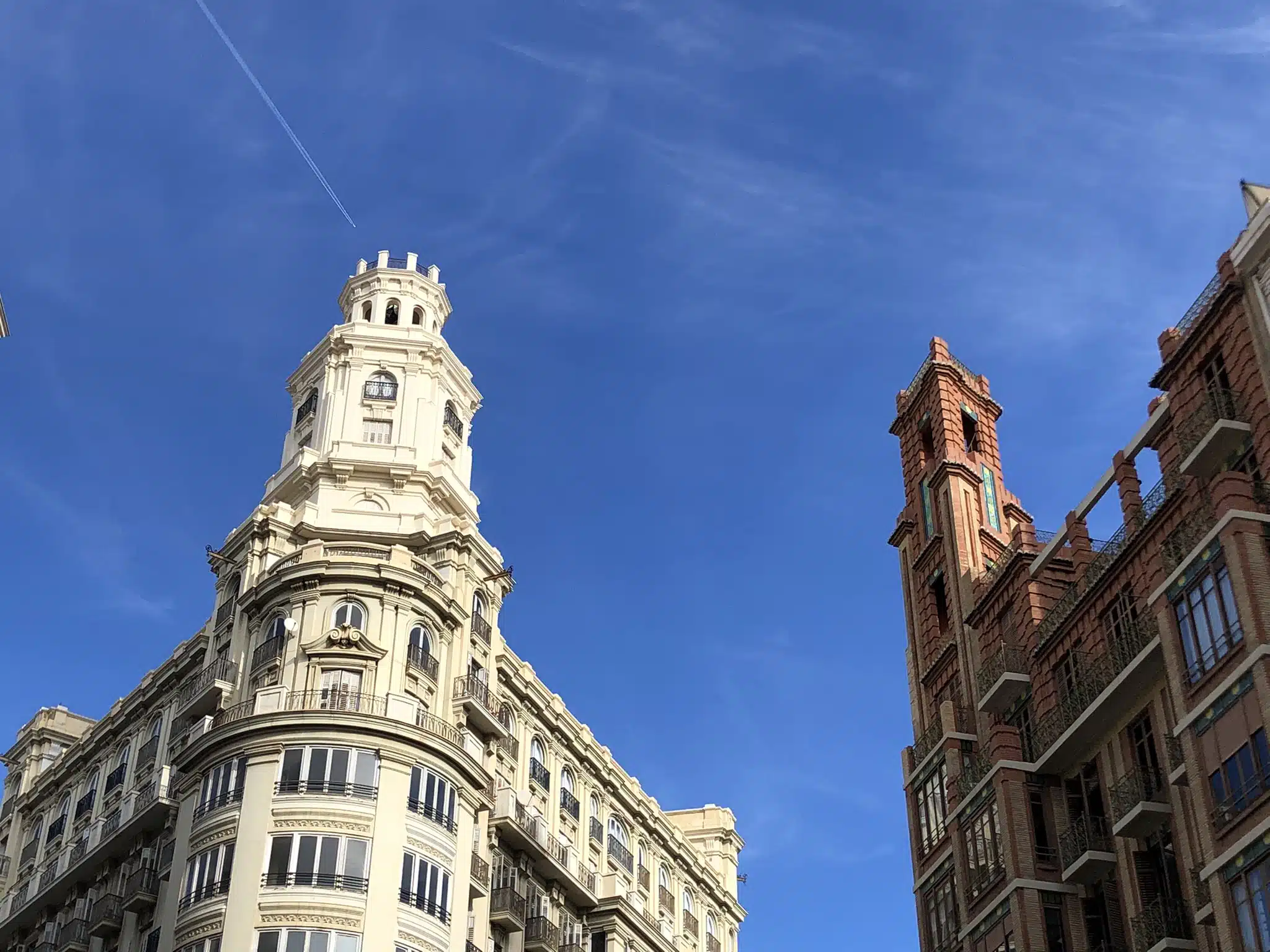
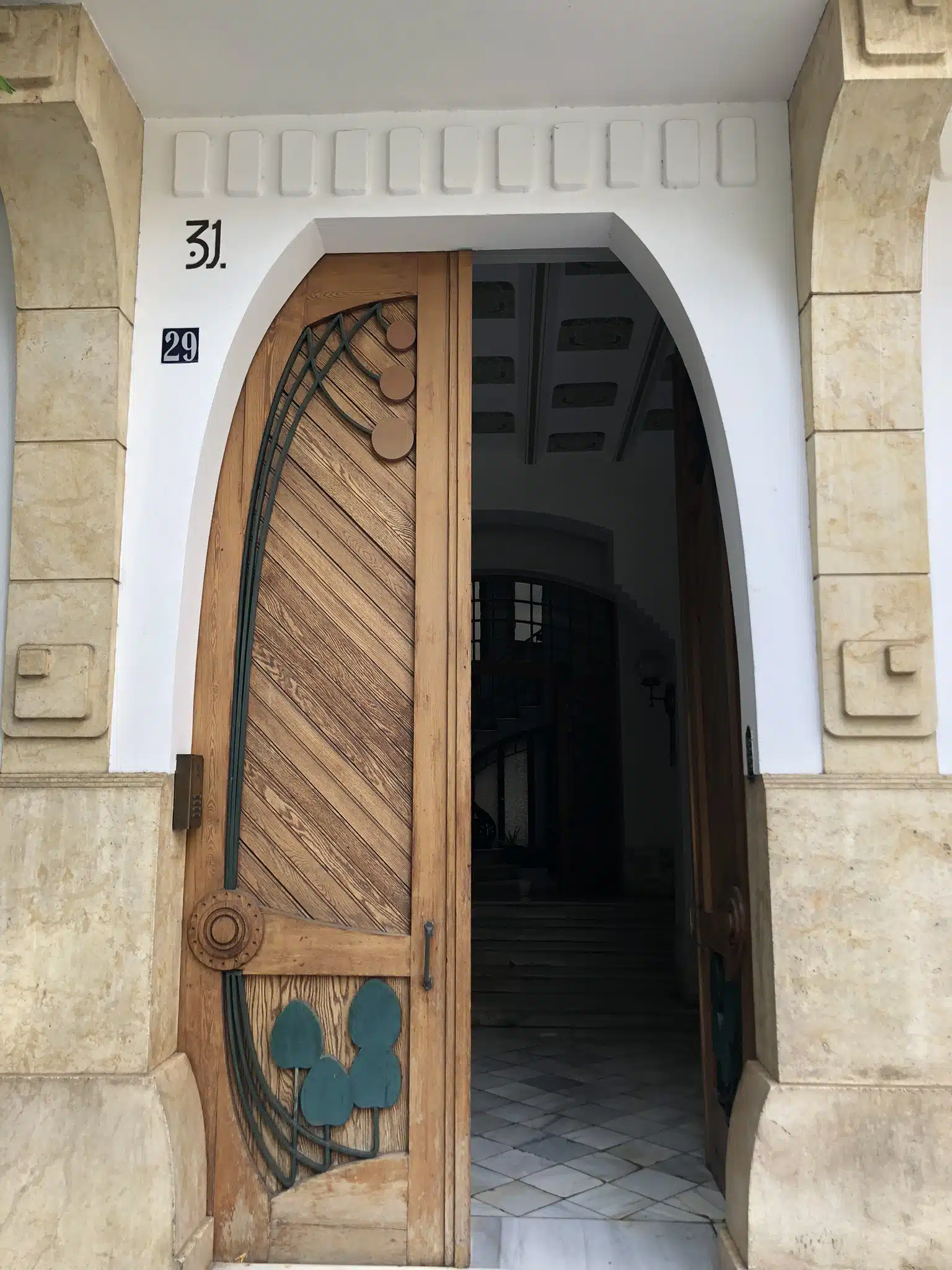
All these architectural movements and styles are present in Valencia ; moreover, you don’t need to explore the entire city to see them, as they are usually located close to one another. If you want to see “the other Valencia ,” beyond the historic centre, you can join my tours about Modernist architecture (1900-1936) or Francoist architecture ( 1939-1975 ). (1939-1975).
A stroll through modernist Valencia (1900-1936)
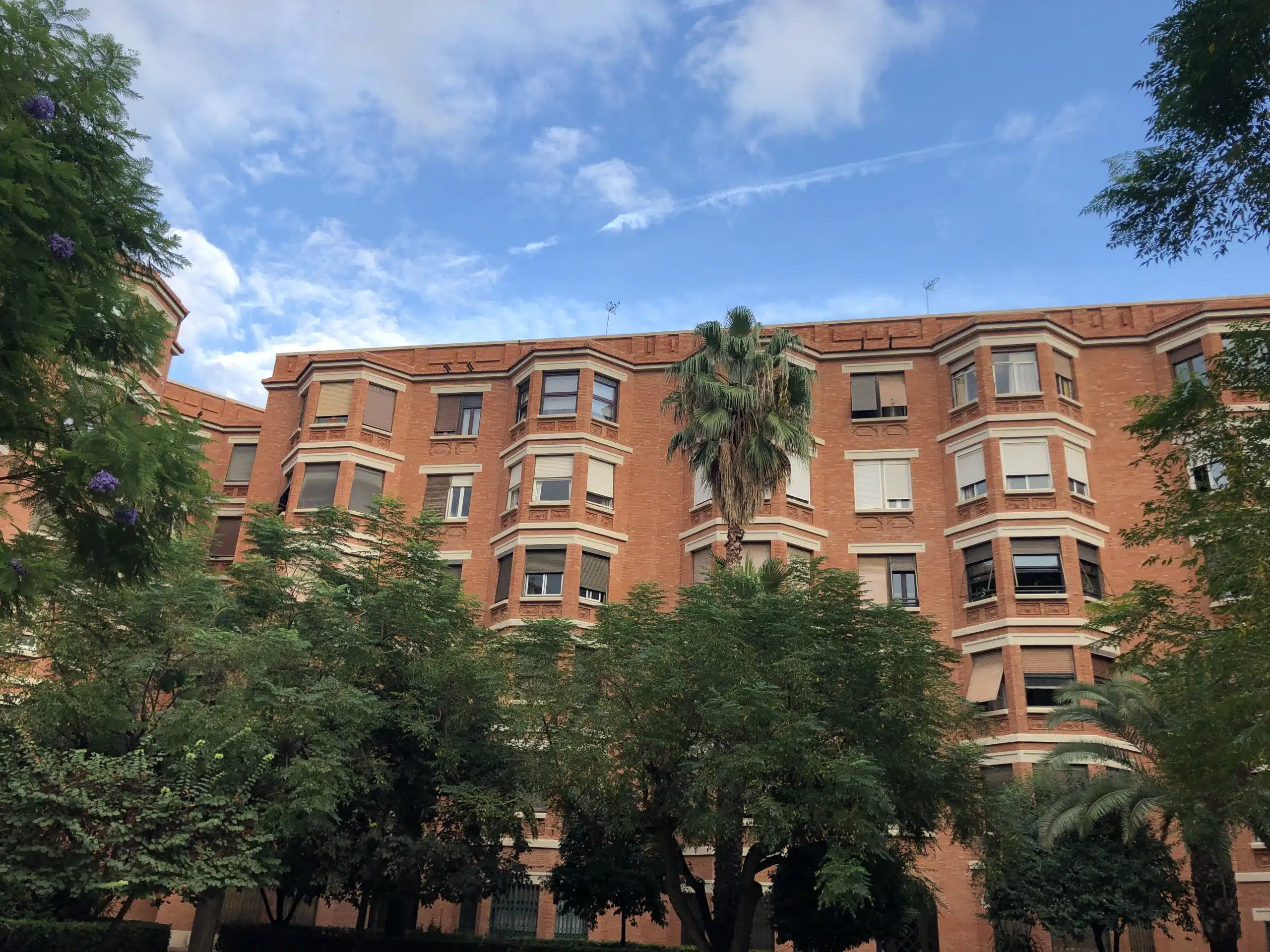
Like many other European cities, Valencia grew enormously at the beginning of the 20th century. With the demolition of the medieval walls, tens of thousands of people moved to the city in search of new opportunities. The new expansions, and especially the neighbourhoods designed for the upper classes, were conceived by architects, artists, and urban planners with avant-garde ideas.
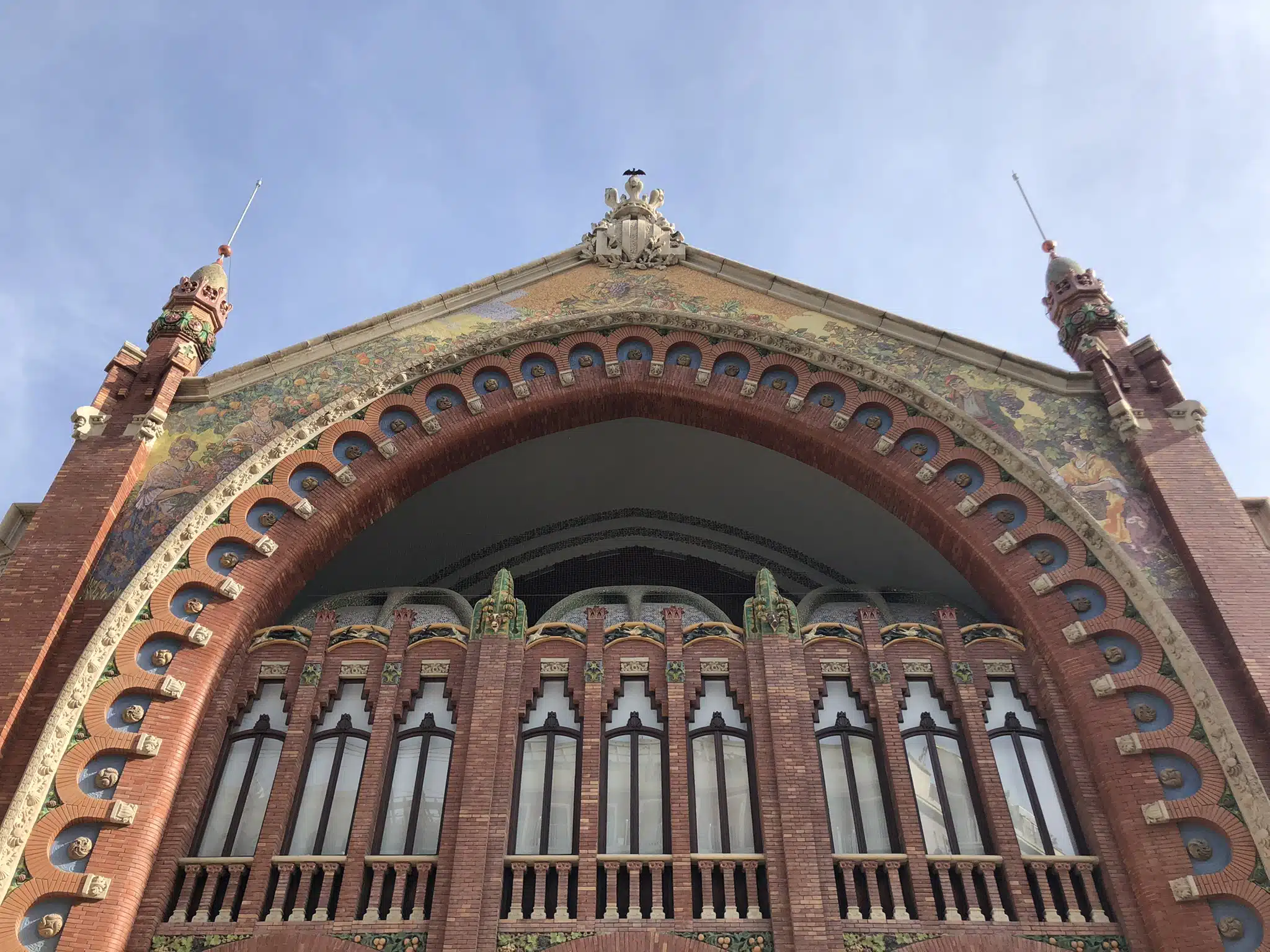
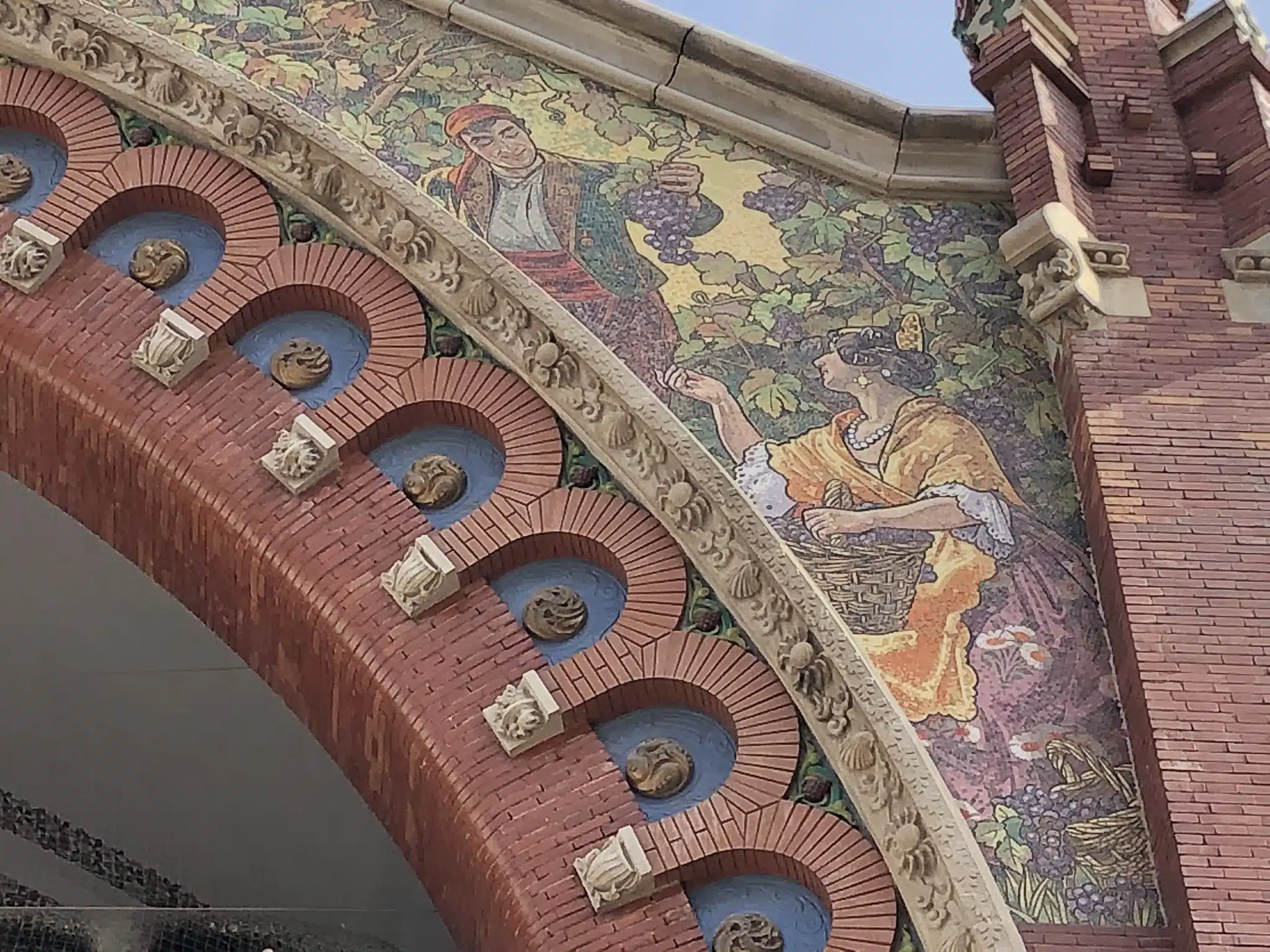
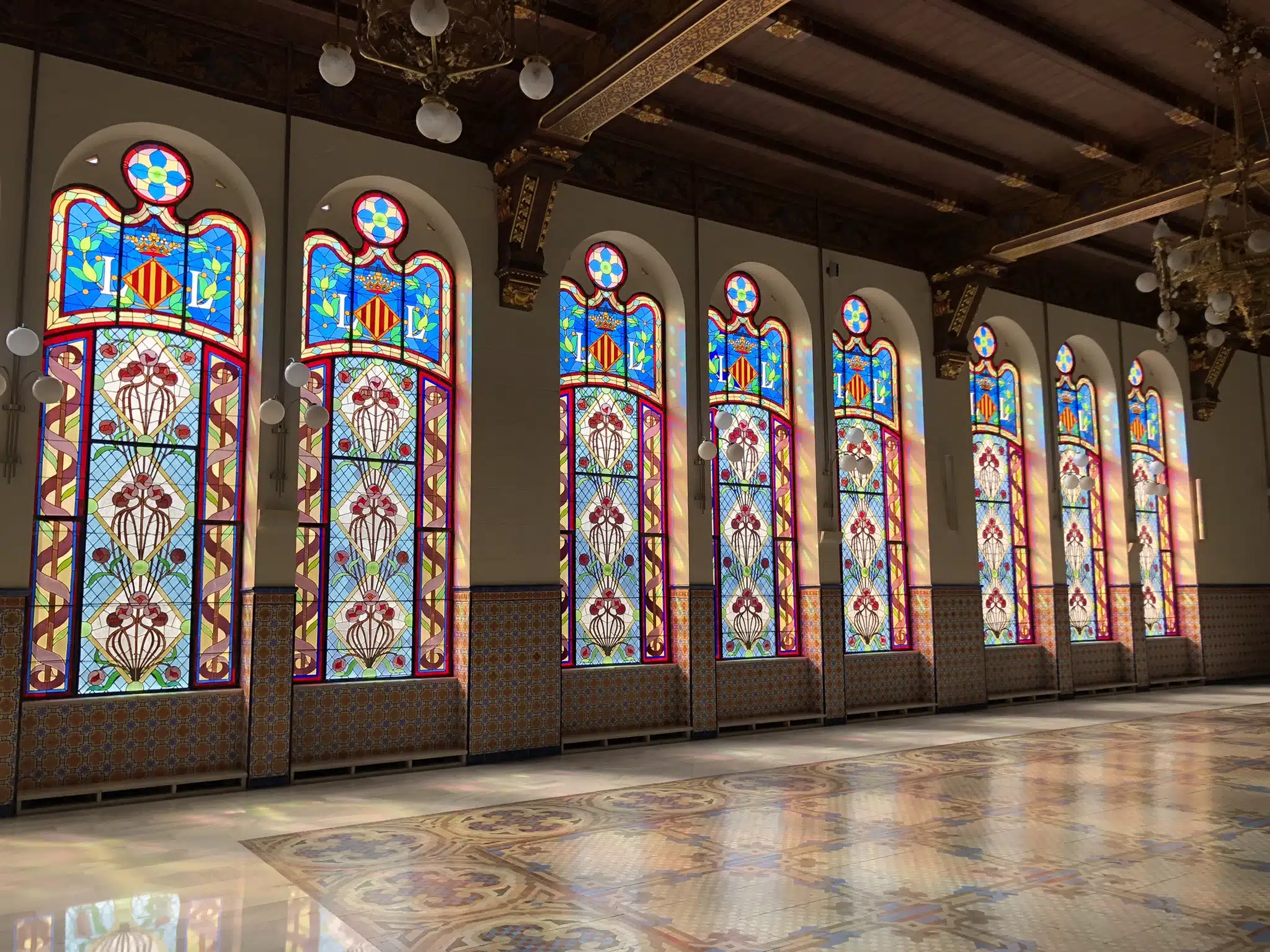
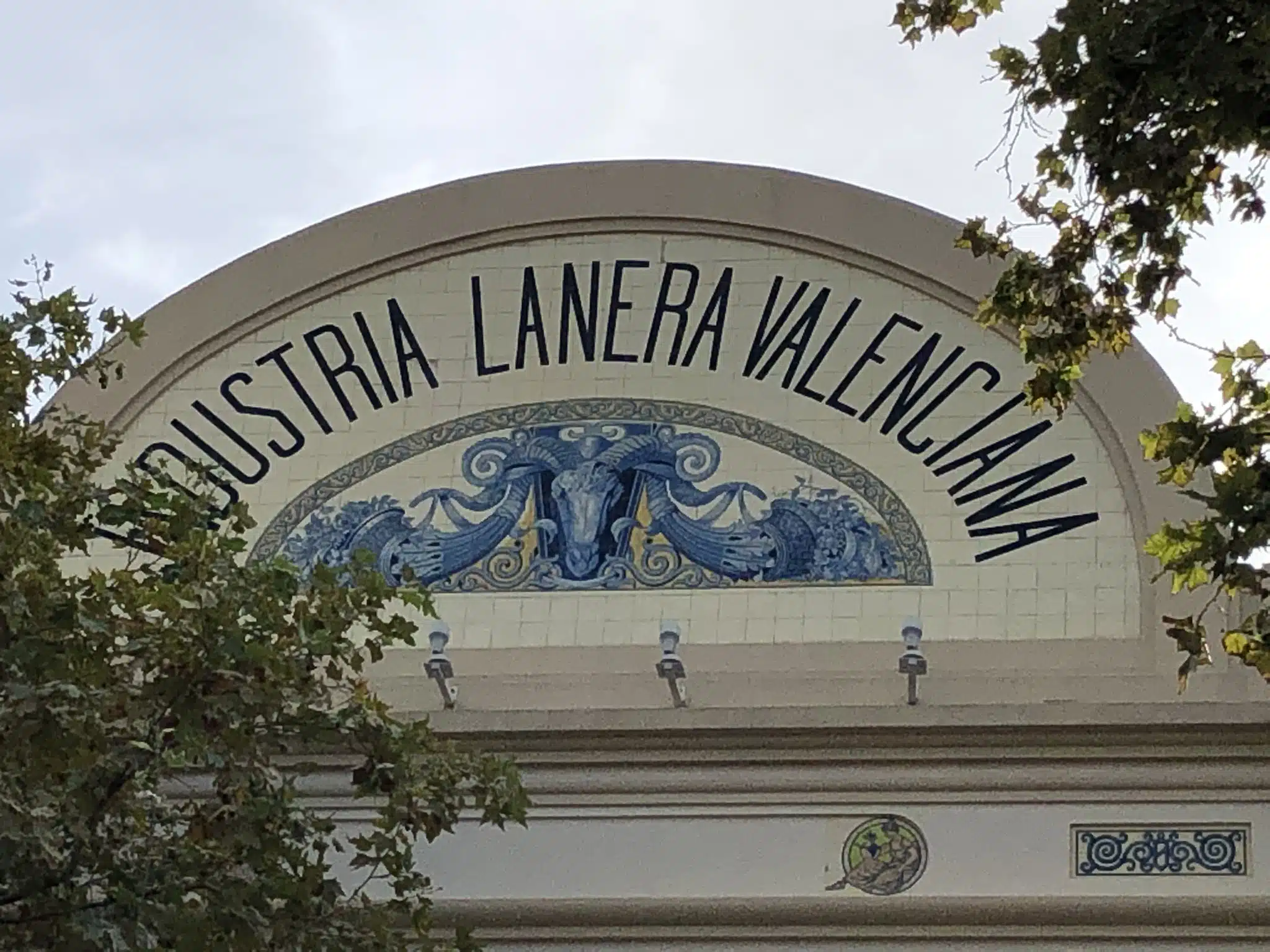
Between 1900 and 1936, many spectacular buildings were constructed, not only with a residential but also with a public function: markets, post offices, the city hall, and the North Station. For the 1909 Regional Exhibition, an entire district was built on the other side of the river, some examples of which still remain, such as the Tobacco Factory.
Although architects and artists partly followed European trends, the break with the past in Valencia was less radical than in other cities. Nevertheless, there are some examples of radically avant-garde architecture, such as the markets and the train station. But alongside these buildings, houses and offices were built and designed in more conservative styles, such as Neo-Baroque or Neo-Gothic.
Why is there such a big difference? I’ll explain it to you during this walk through the Valencia of the Ensanche district.
The price of my two-hour tour of Modernist Valencia is €25 per person, and the three-hour tour is €35 per person (minimum two people).
Bike tour through Cabañal, the old port and the countryside
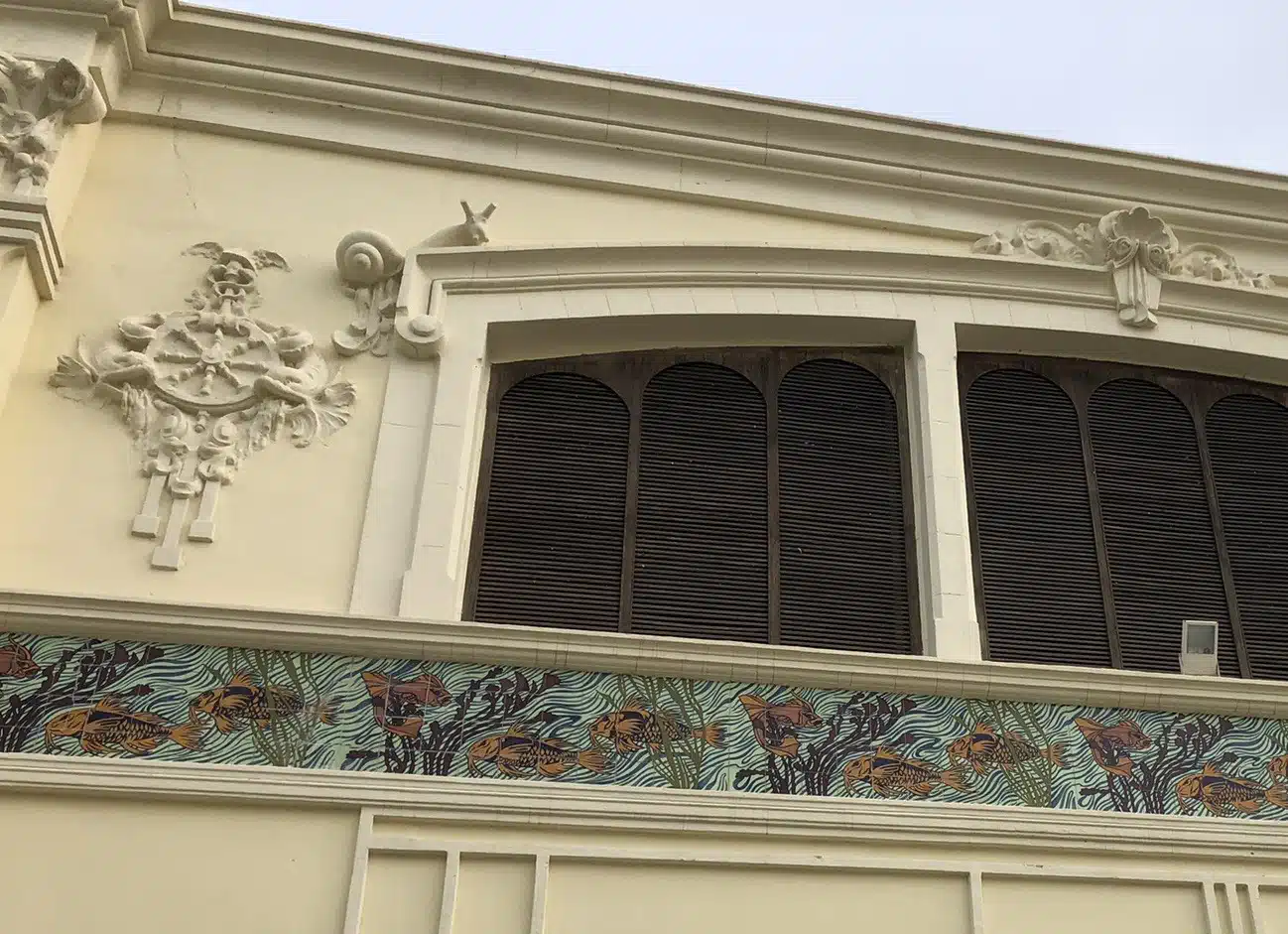
Valencian Modernism is not only found in the city itself, but also in the surrounding areas. In the coastal villages near Valencia, Modernism became popular at the beginning of the 20th century. The local people embraced the style, adapting it to their tastes and economic means. Industrially produced tiles facilitated this process; thus, Cabañal is notable for its low-rise houses completely covered with brightly coloured tiles.
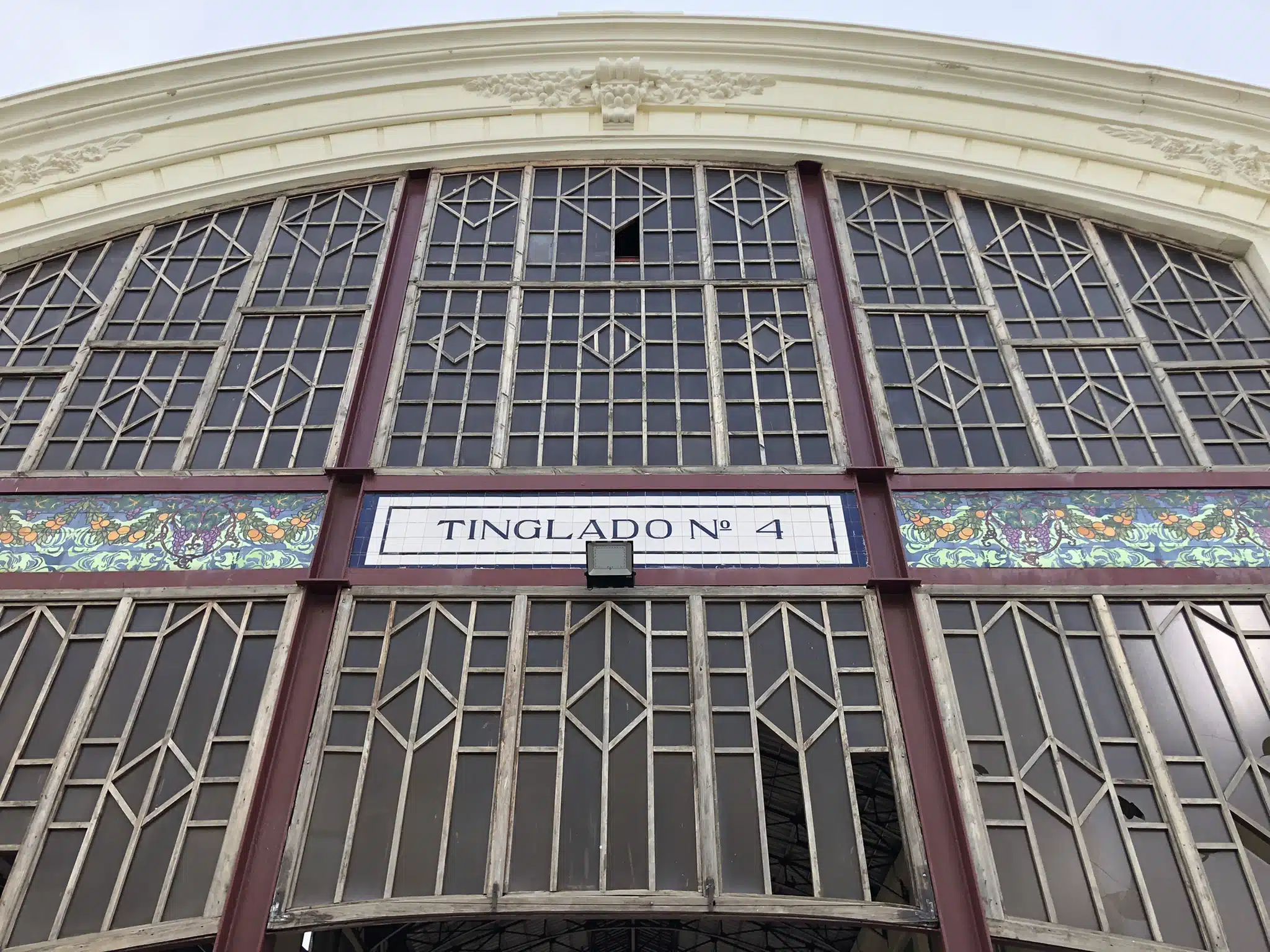
During this same period, the port, located next to Cabañal, experienced significant growth. The export of oranges spurred this expansion, leading to the construction of new warehouses (the beautiful “tinglados” ), slipways, a customs house, the “Edificio del Reloj,” and the Grao train station. Many of these buildings were constructed in the Art Nouveau style.
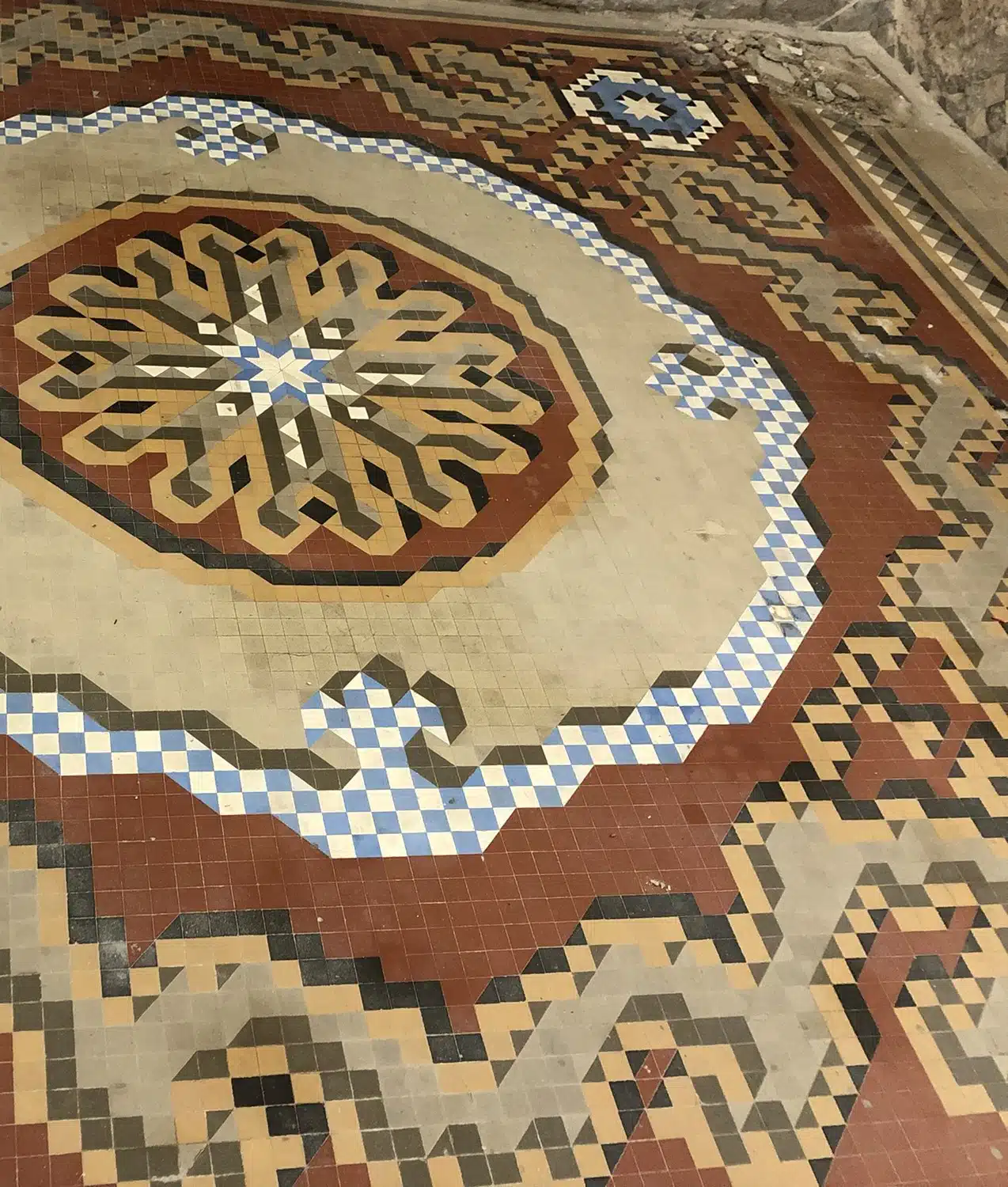
Although the Valencian countryside might not be the first place you’d expect to find Modernism, it does contain some extraordinary examples. Apart from the bourgeois buildings in the towns along the ‘huerta’, most notably those in Meliana, it was in this agricultural area that the region’s most famous and successful tile factory, Mosaico Nolla, was established. The countryside is also where we find the history of tiger nuts and horchata, a local drink.
This tour is done by bike and starts on Valencia’s best bike path, which will take us through the northern countryside. After the Palauet de Nolla, we’ll go to the beach and Cabañal. The tour ends at the old port. The Palauet de Nolla is only open Saturday and Sunday mornings, so this tour is only available on weekends.
The price of my bike tour through Cabañal, the old port and the countryside lasts three and a half hours and costs 50 euros (minimum two people), which does not include bike rental but it does include a fresh horchata with a fartón.
Modernism out of town: Novelda and Alcoy
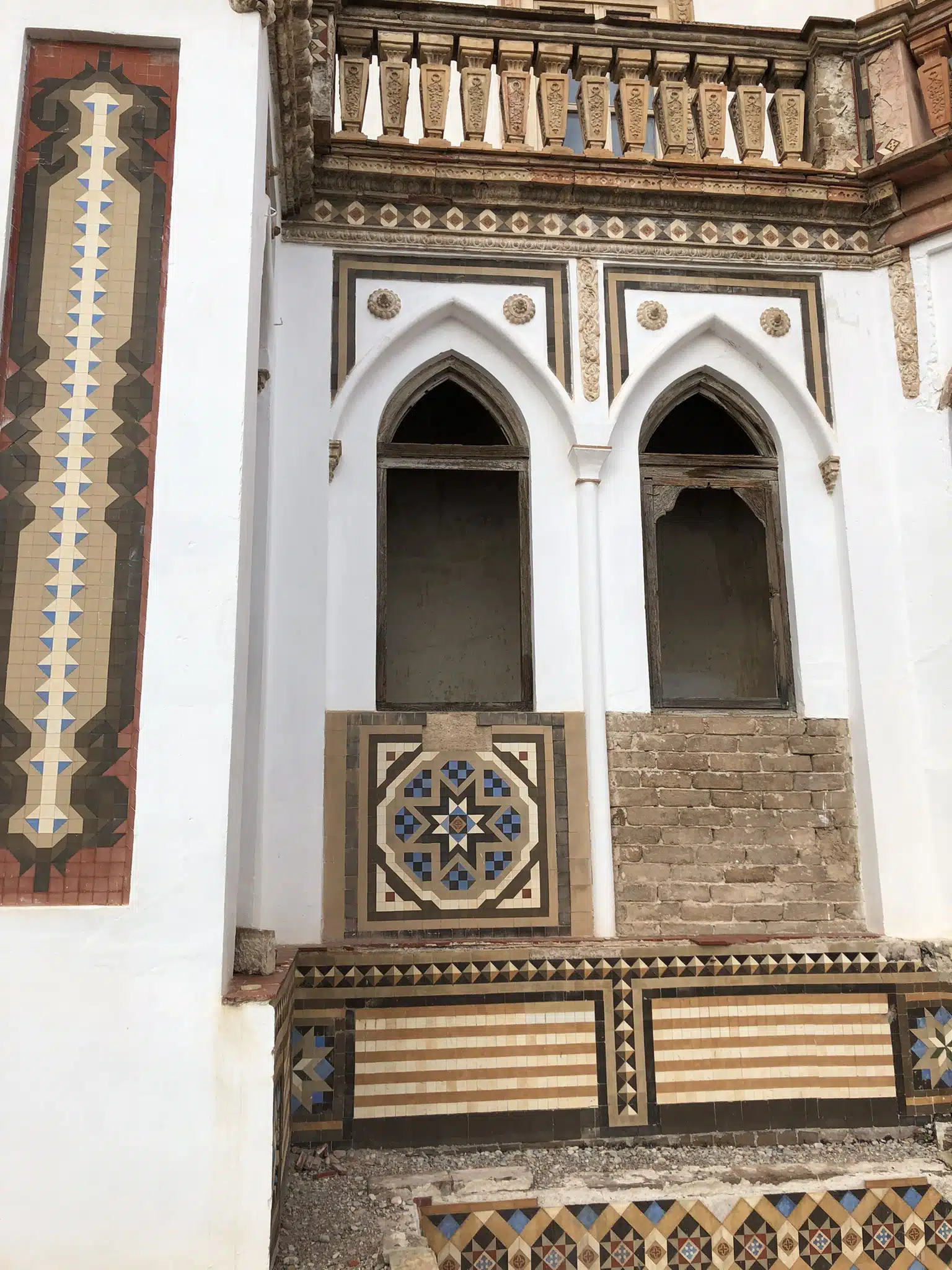
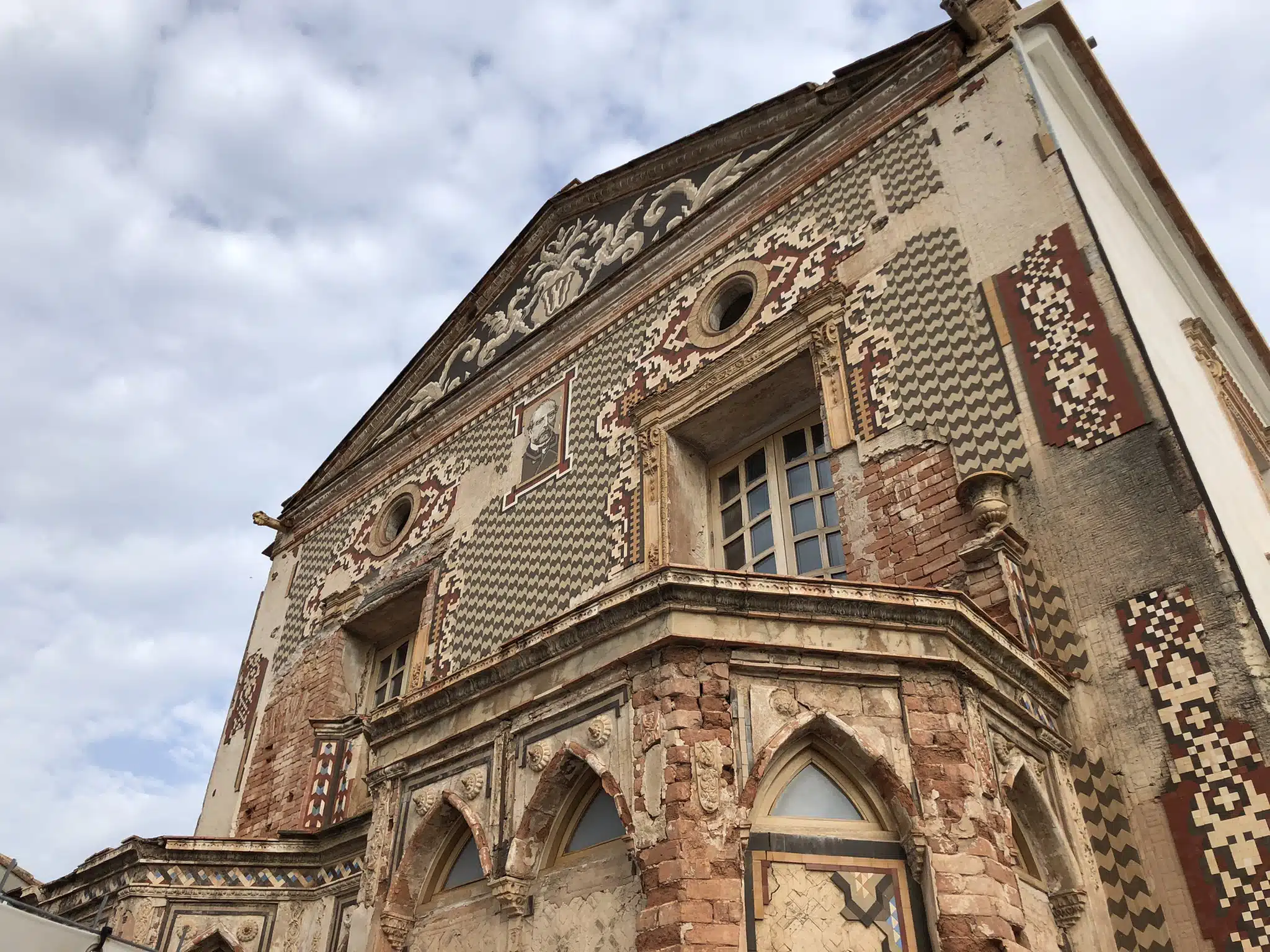
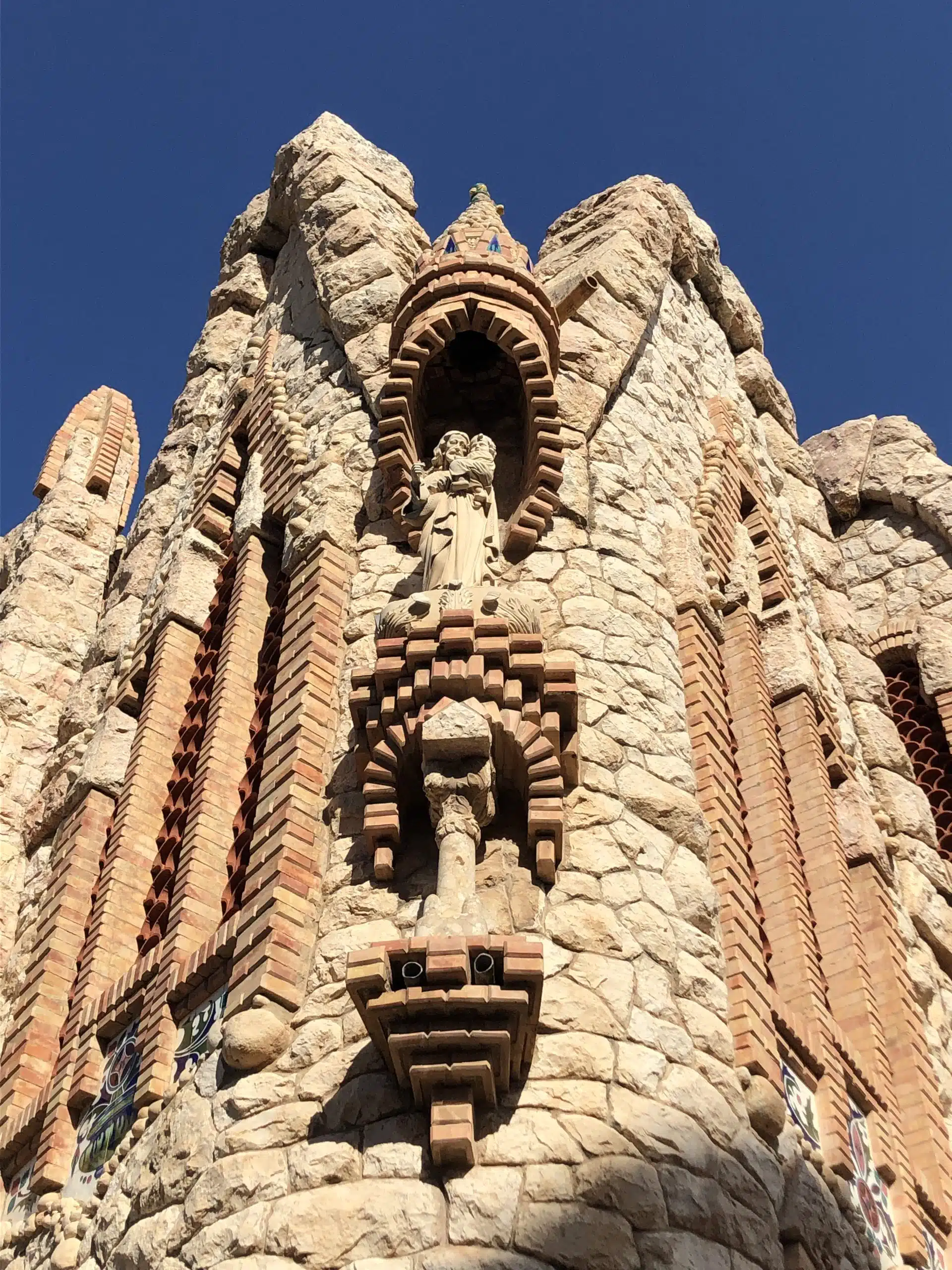
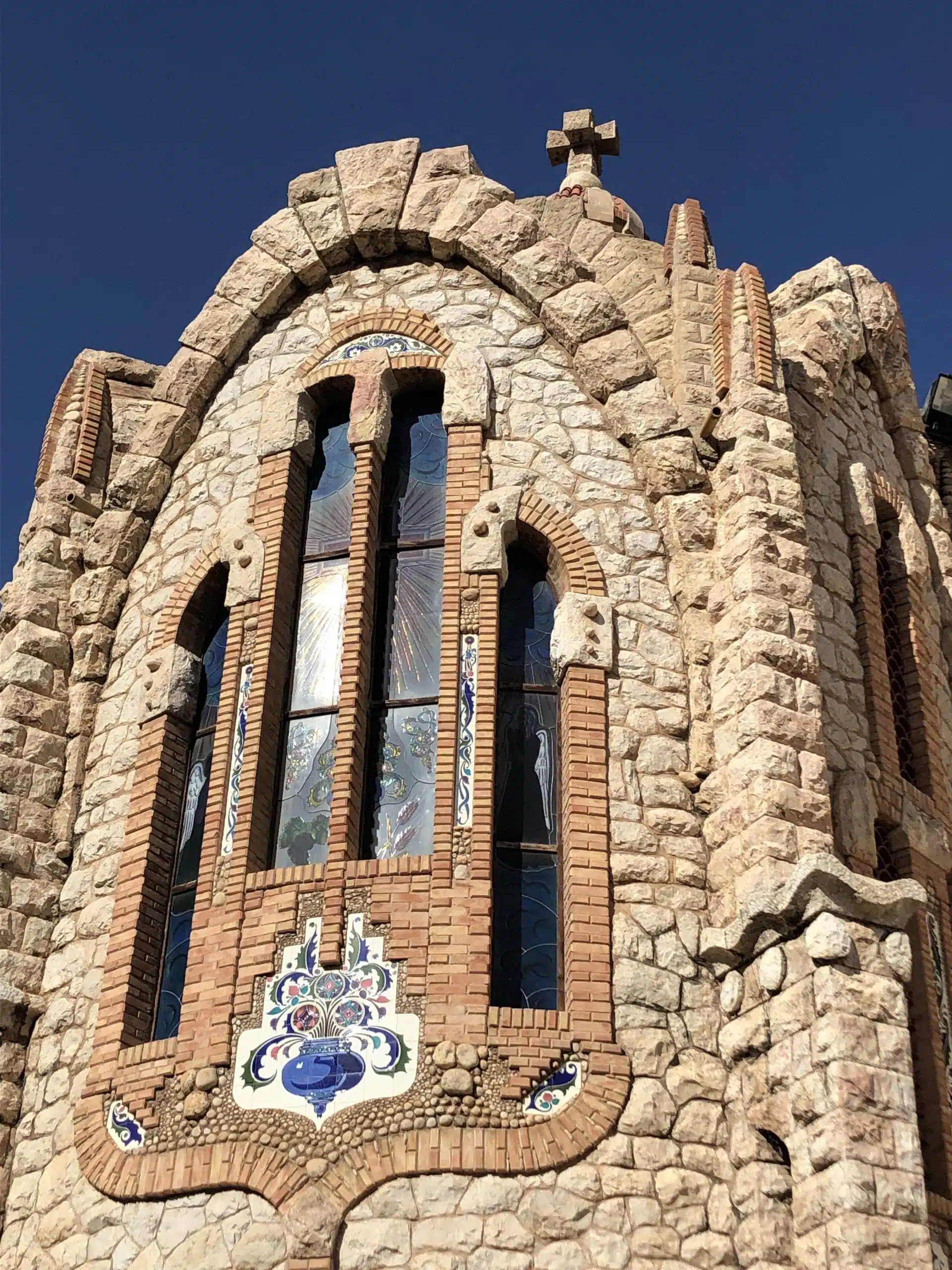
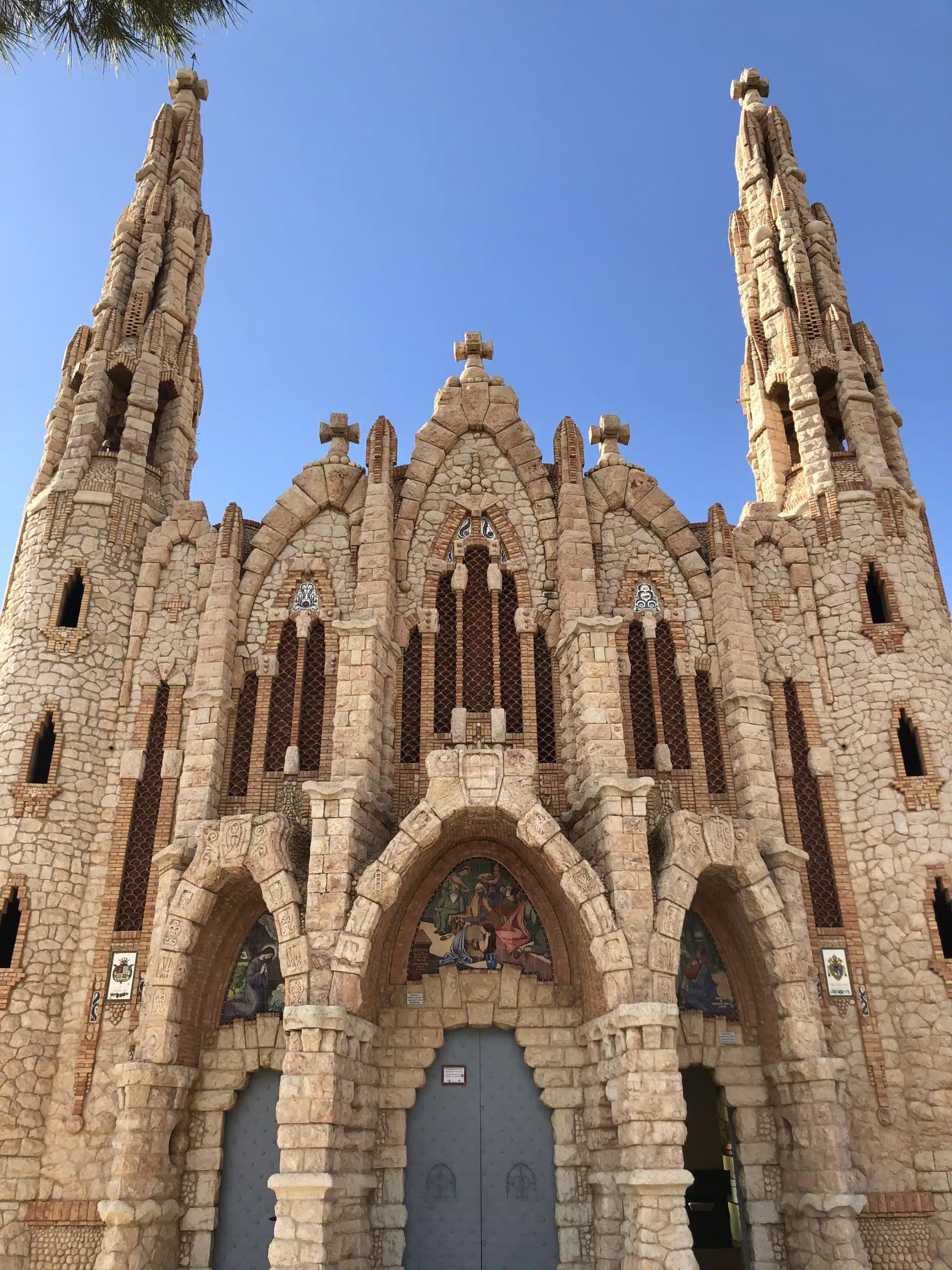
The Modernist movement didn’t only emerge in the city, but also in other towns of the Comunidad Valenciana. Since the style was fashionable, the upper classes in these towns also wanted to build their new houses and factories following this new format. Two outstanding examples are the towns of Novelda and Alcoy, one in a valley and the other in the mountains.
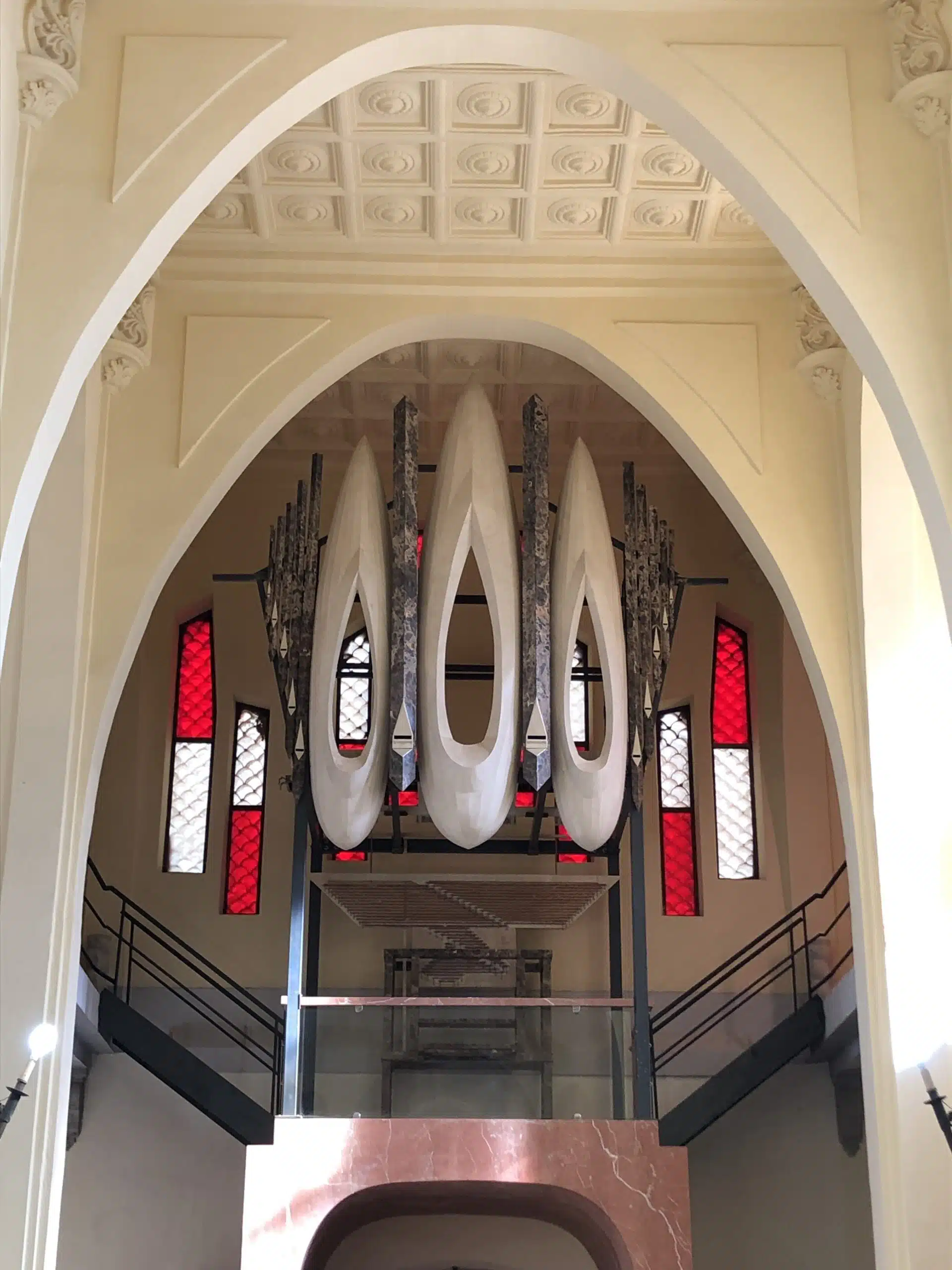
Both towns experienced its industrial and commercial zenith around 1900, which led to the growth of the towns themselves and the need for the new bourgeoisie to build new houses and factories. In addition, the towns constructed new public buildings and bridges. For example, in Novelda, the textile engineer José Sala built the magnificent Sanctuary of Santa María Magdalena.
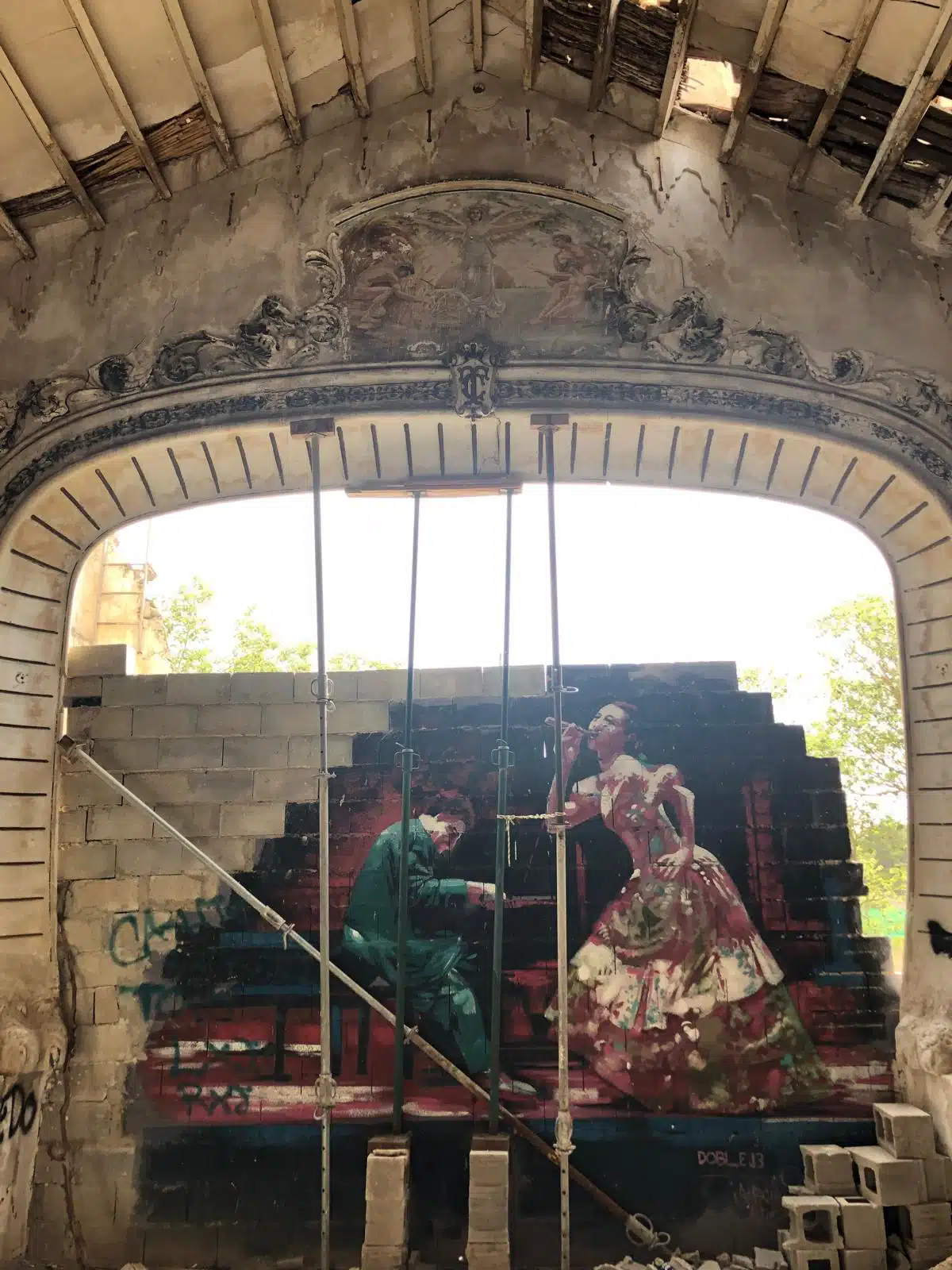
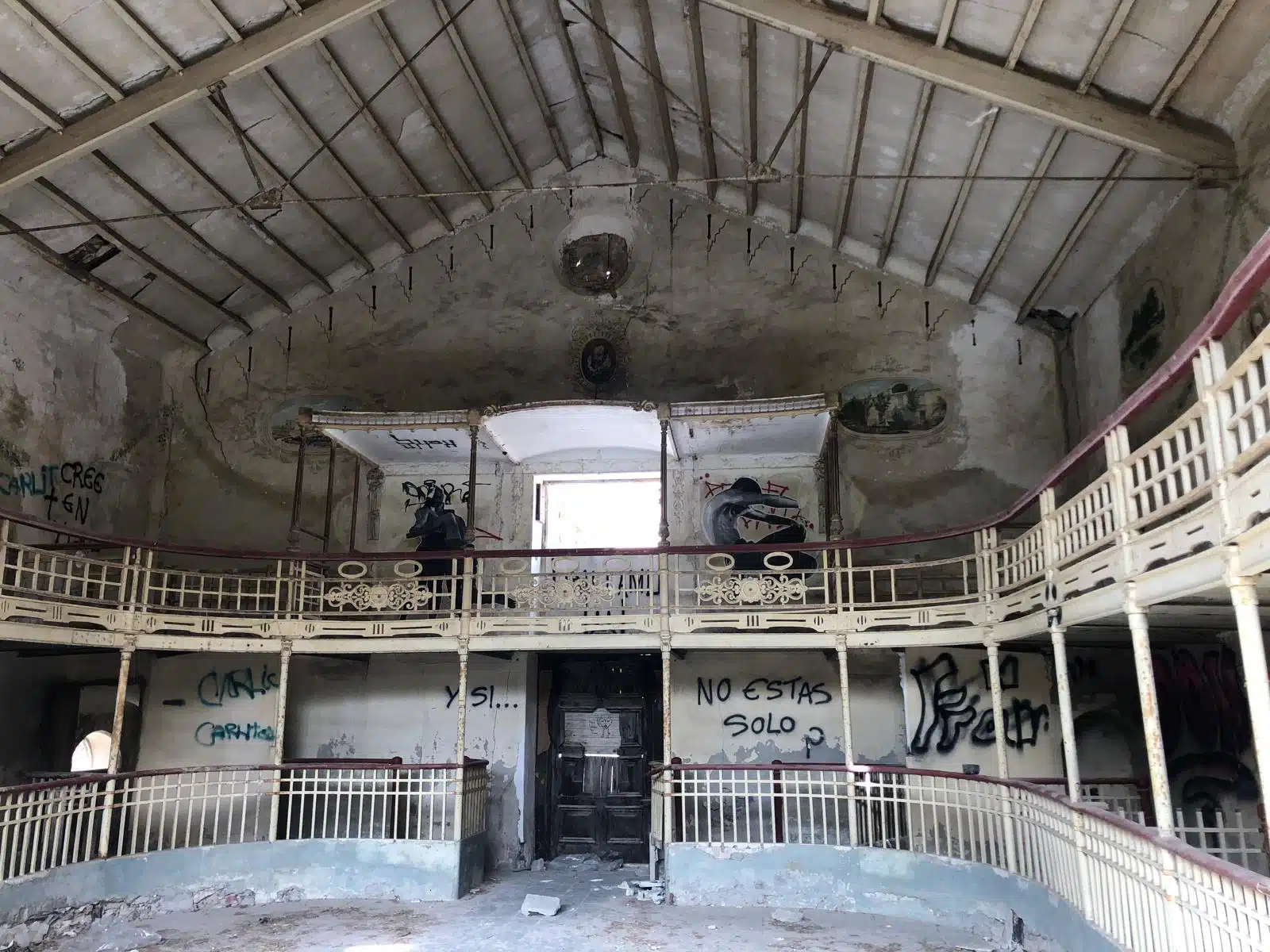
On this route, we visit both towns and the sanctuary in a single day, where Valencian Modernism takes centre stage. Depending on availability, we may also visit the Santa Eulalia Colony, which was an industrial settlement with its own church, theatre, and housing for the working class.
The price of my modernist tour outside the city of Valencia is 75 euros per person, and does not include transport costs (by car or van) (minimum two people).
Interested?
Architecture of the Franco regime (1939-1975): a walk through Valencia north of the river
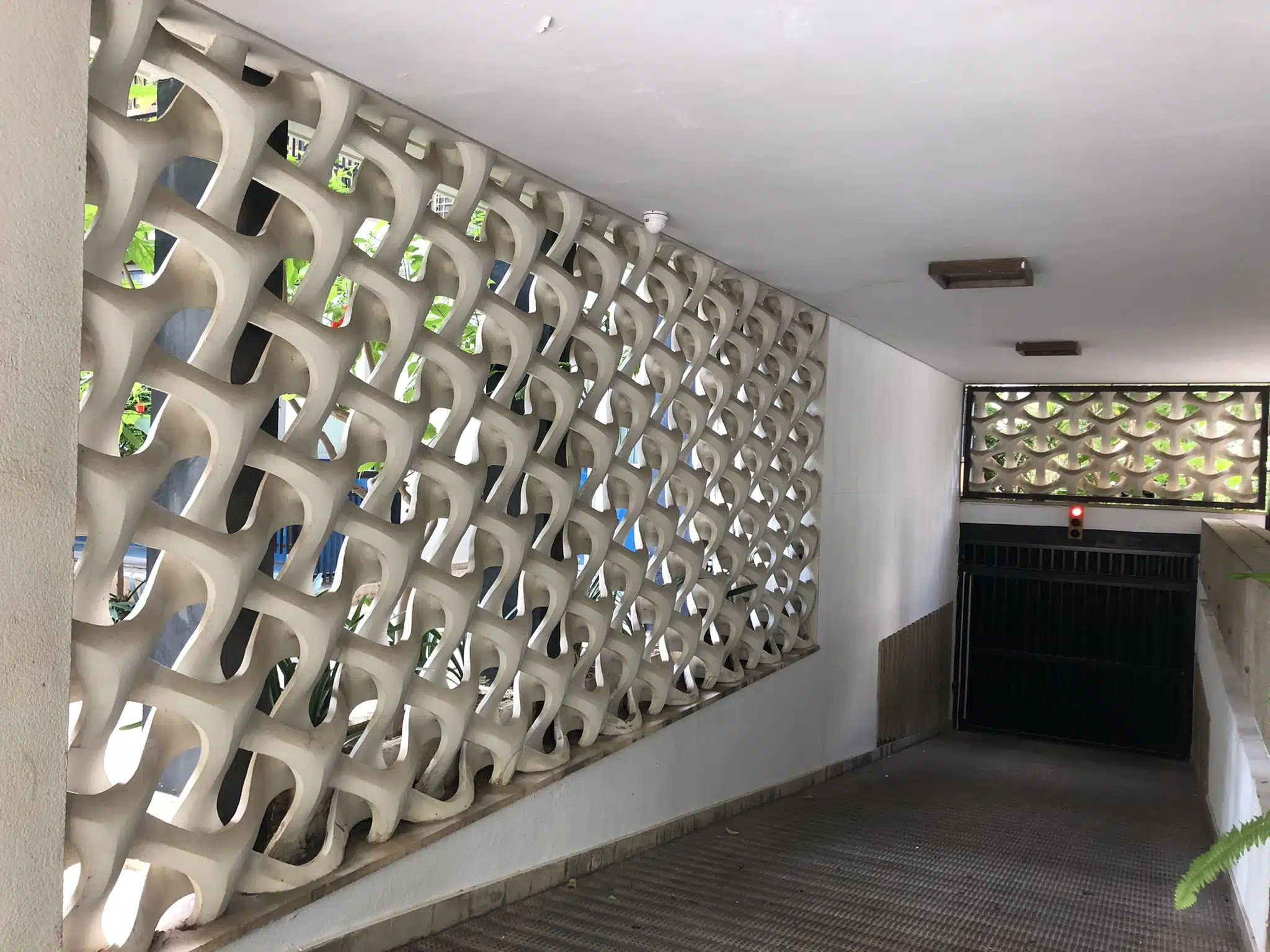
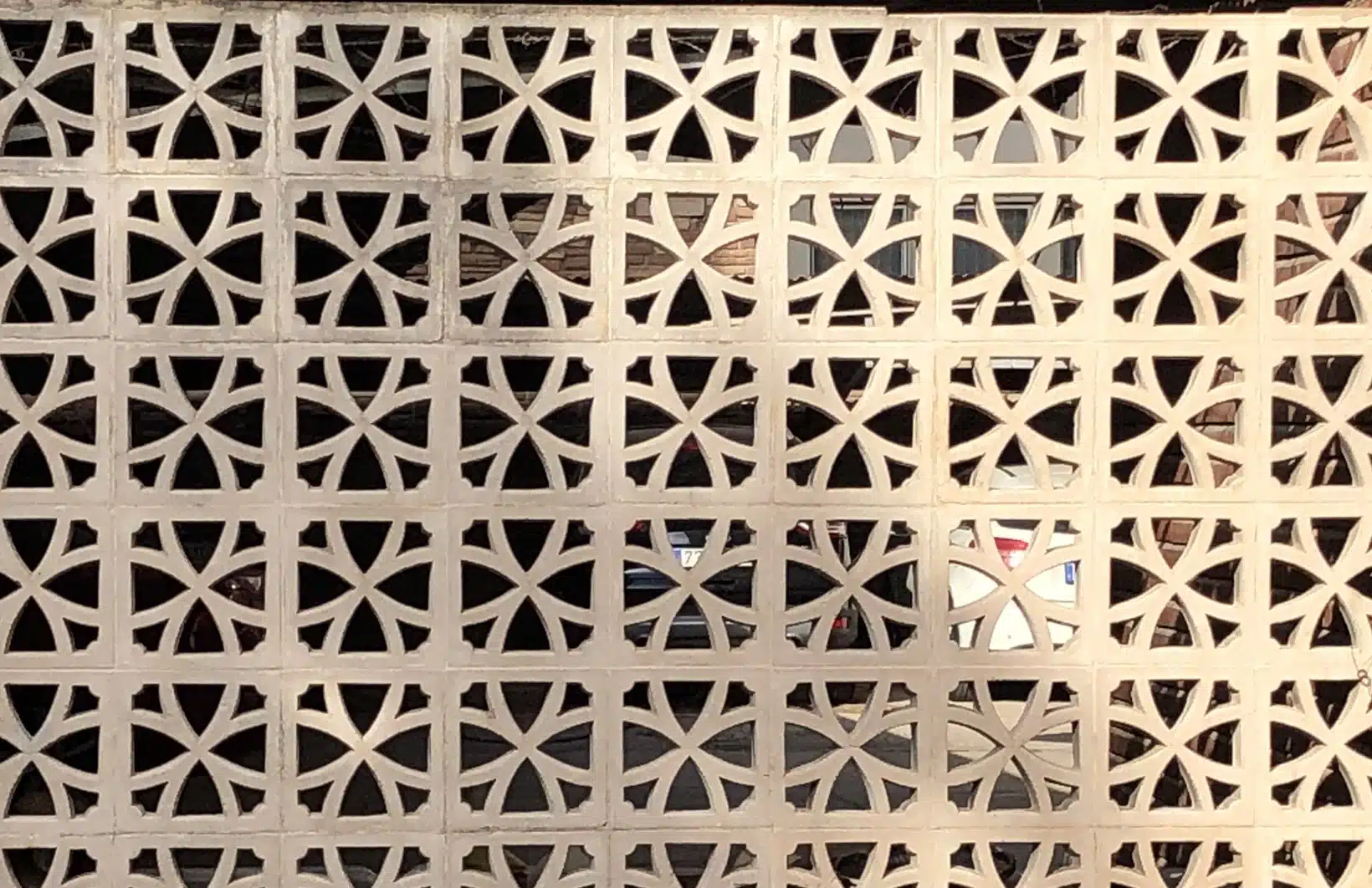
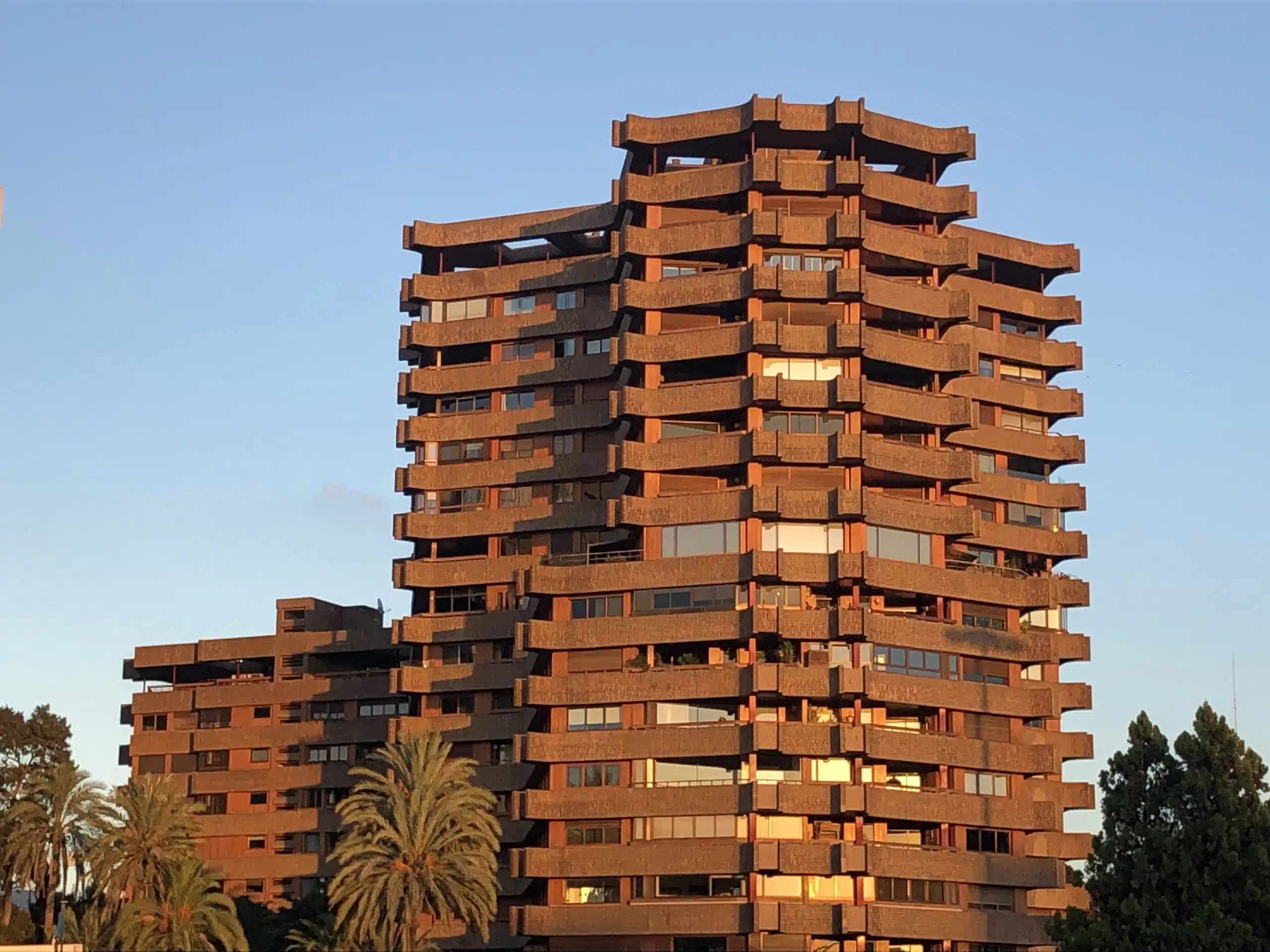
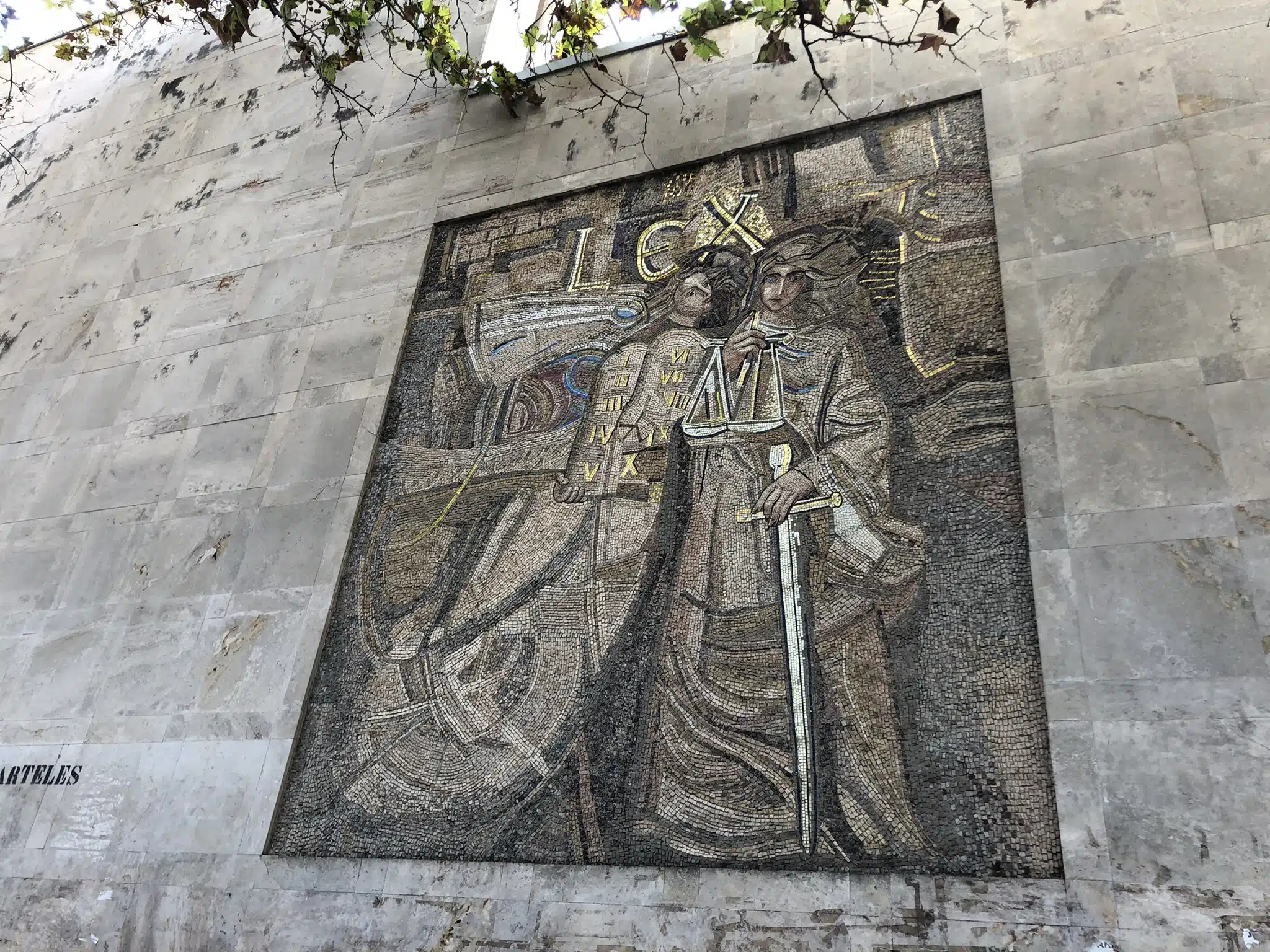
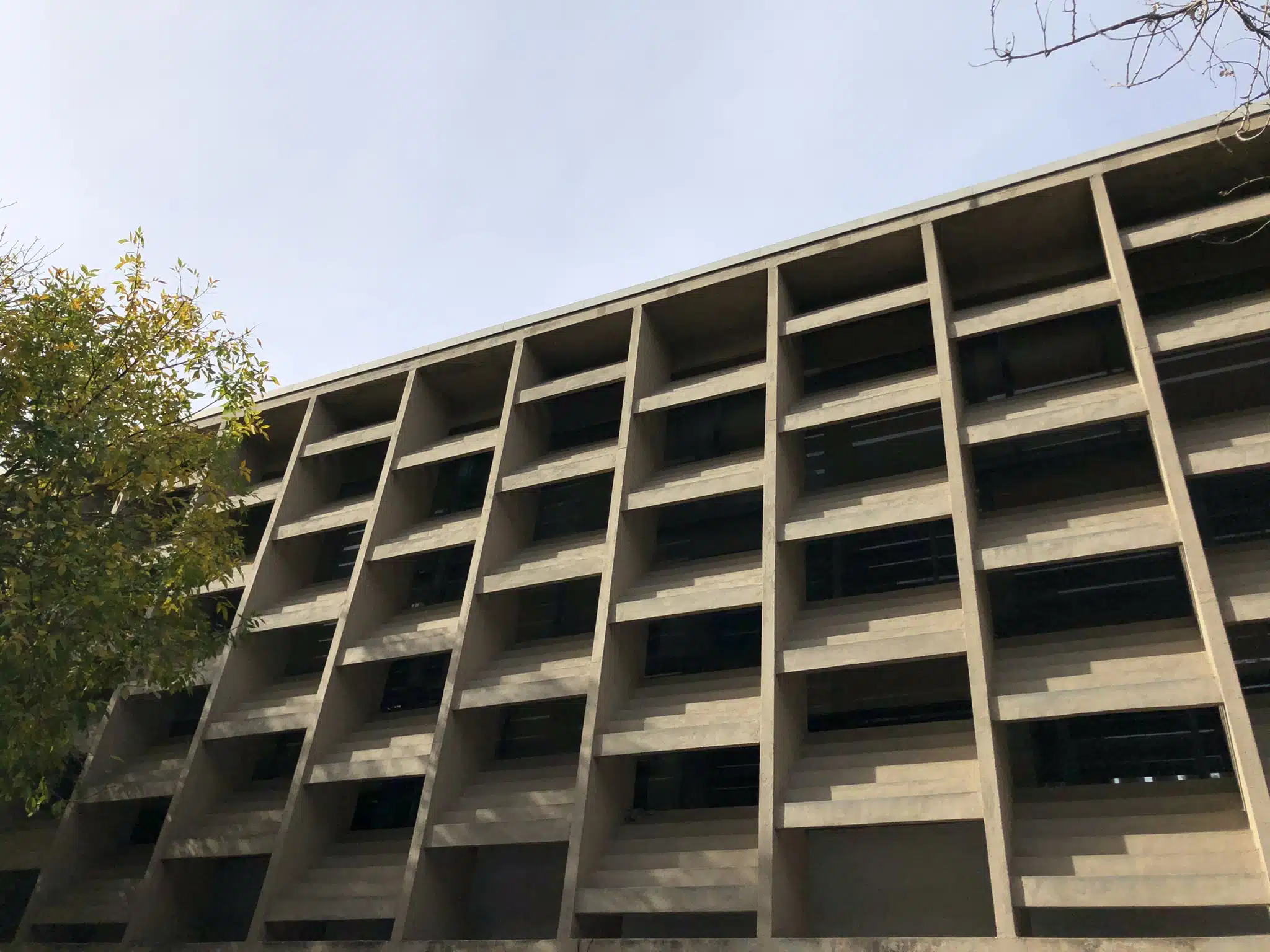
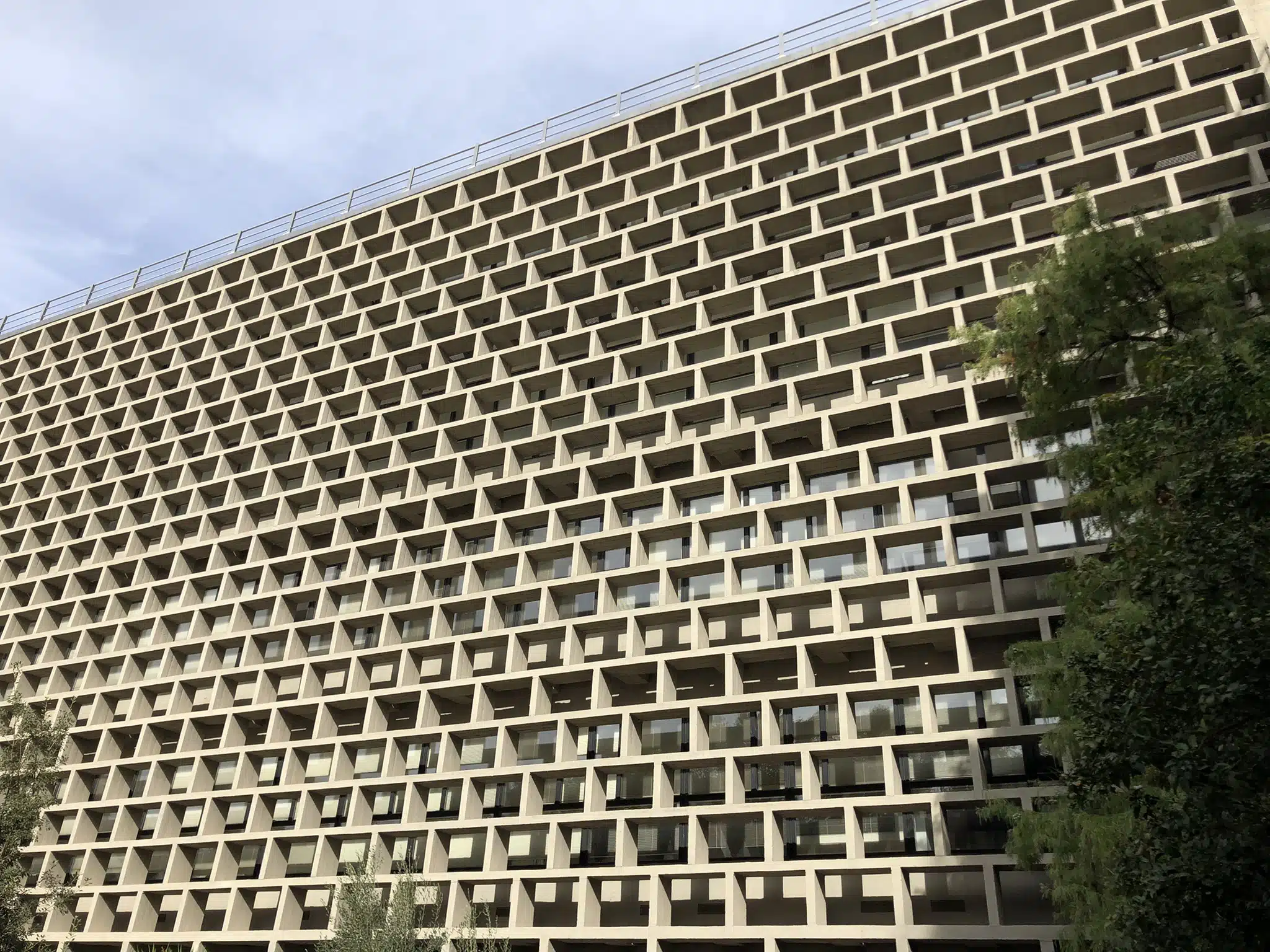
During Franco’s dictatorship, architecture in Spain had two contrasting faces. At the beginning of the dictatorship, official buildings followed a more traditional and authentic aesthetic, but as time went on, the regime became more open to avant-garde forms and materials. On the other hand, in large cities like Valencia, thousands of high-rise buildings were constructed to house the population, especially in the 1960s and 70s.
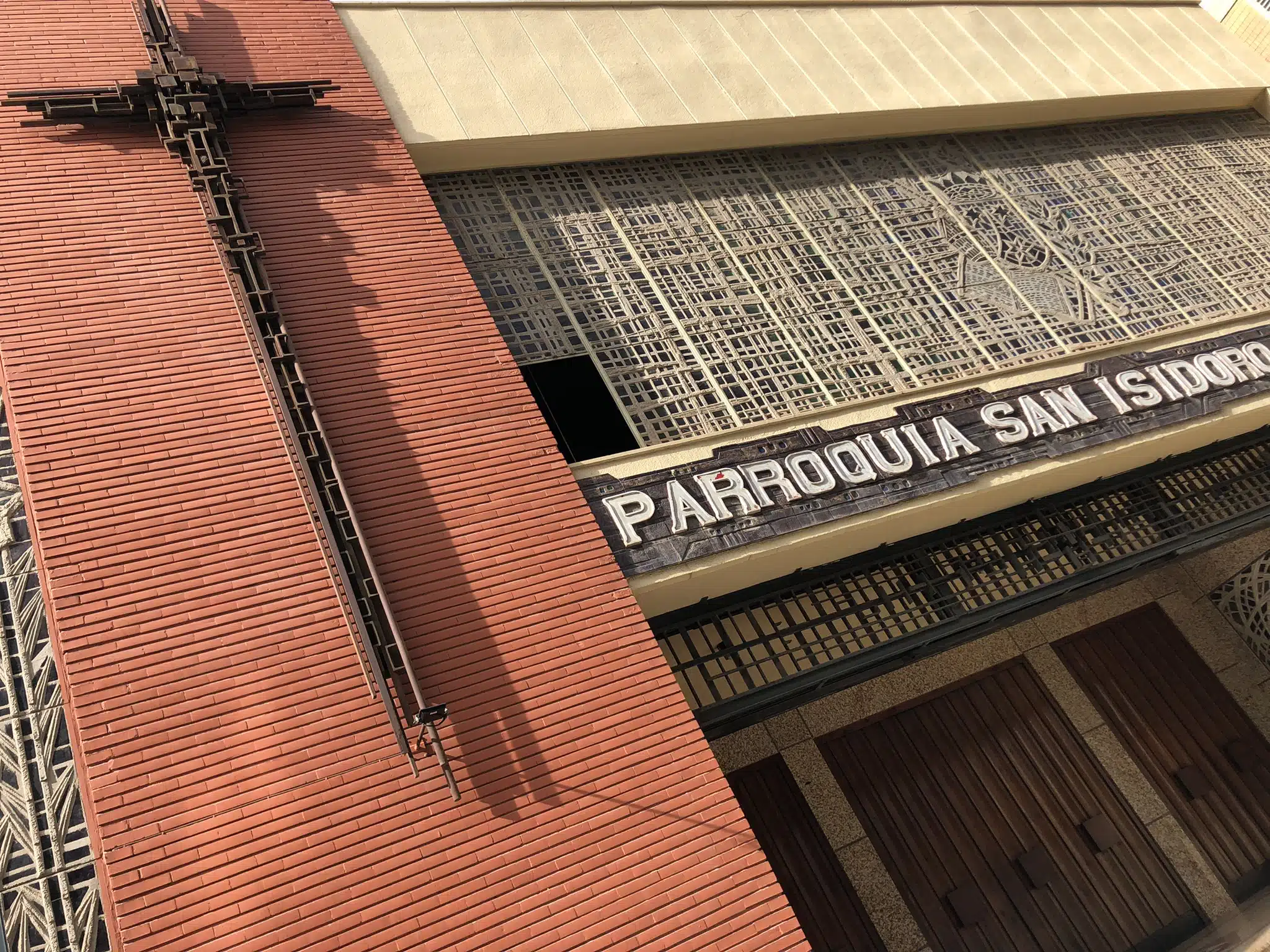
There were significant differences in the quality of apartments and urban spaces between the wealthier and poorer areas. Since the buildings in El Pla de Real in Valencia are mostly of high architectural quality, this route focuses on this neighbourhood. It also features other iconic buildings from this period, such as the Church of Sant Isidor Bisbe, the German School, and the university faculties. We end our walk in Benimaclet, the old village that became a district of Valencia as a result of its incredible boom.
The price of my two-hour tour of Francoist architecture is 25 euros per person, and the three-hour tour is 35 euros per person (minimum two people).
Interested?